Lessons Under the Open Sky
Assessing Odisha’s Alternate Learning and Mentorship Programme for Tribal Children during COVID-19
 Partner: UNICEF India |
  September 2023
Context
Among the many disruptions caused by the COVID-19 pandemic was the lack of continuity in the education of children, especially those living in far-flung tribal areas. Students, teachers and parents struggled to cope with the aftermath and in initiating resumption of classes and exams.
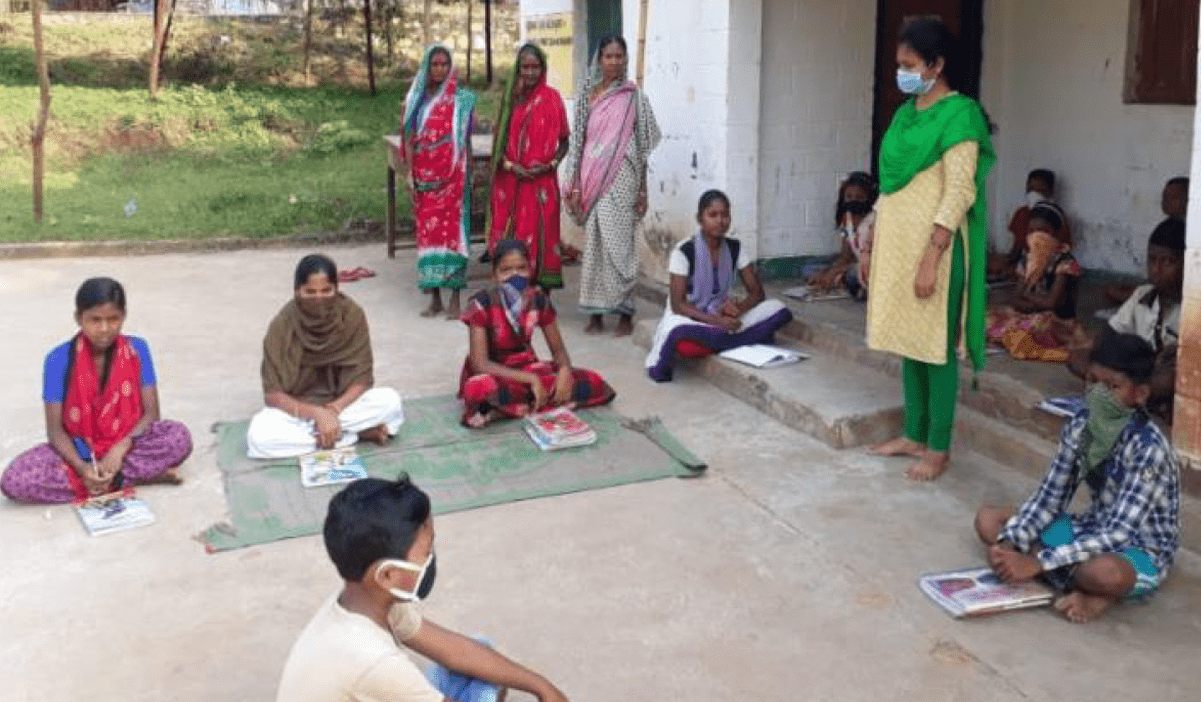
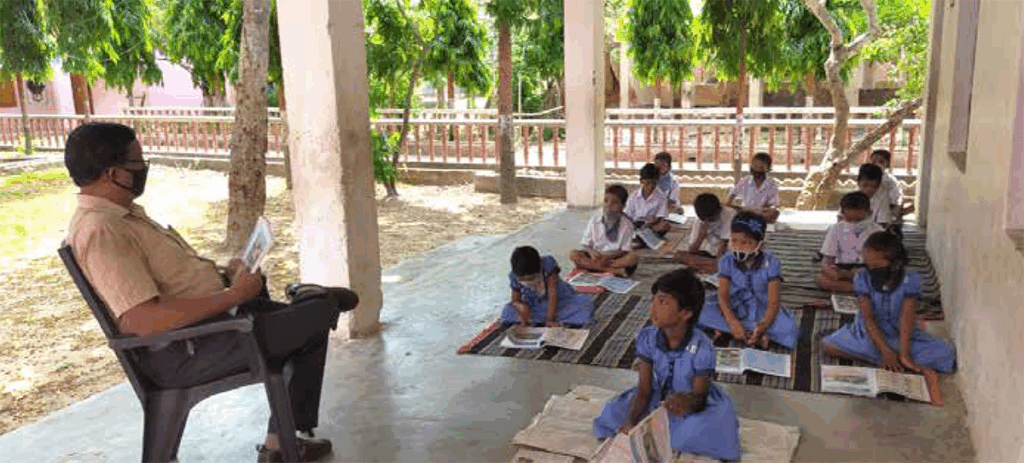
The Alternate Learning and Mentorship Programme (ALMP) was launched in May 2020 as a unique residential programme for tribal children in Odisha. It aimed at bringing learning at their doorstep and was launched soon after schools closed and children returned home at the start of the pandemic, reaching nearly 300,000 students studying in 1732 schools across 30 districts of the state.
The Opportunity
Prolonged closure of schools and inability of parents in assisting children with studies, necessitated a focused strategy bringing teachers closer to students. Ideally, this intervention had to be placed within the local village setting so it could comply with other safety norms. The biggest challenge in the implementation of the programme was the lack of internet and smartphone access to teachers along with availability of open spaces. Also, teaching children from different grades in one cluster needed thought and planning.
The Insight
While the programme was being implemented, it had to be evaluated in terms of relevance and impact for all beneficiaries including students, teachers and parents. An assessment was carried out to provide greater understanding of existing challenges, highlight gaps and cull out best practices that could be scaled up so that every child got an equal opportunity to learn and grow to his/her fullest potential.
The Solution
A rapid assessment of the initiative was conducted by NCCDC in sample representative districts of Mayurbhanj, Rayagada, Angul and Khurda, to explore gains and identify critical gaps in reaching children. The main aim of the exercise was to ensure continuity of learning. Detailed responses were obtained from 190 teachers, 274 students and 250 parents, across the four districts.
A communication package was developed and at the centre of it was a special mascot that represented aspirations of children. Other materials that were developed included printed/digital/Mascot posters, animation of the Mascot, GIF files with key messages, audio messages on ALMP that highlighted how school was fun. Merchandised materials included ALMP Mascot with cap, label and keychain. These aids proved to be a major draw for students as messages were conveyed and a sense of excitement kept them enthused.